New initiative in Pakistan to tackle childhood malnutrition
Tetra Pak has supported its customer Fauji Foods to establish a Sustainable School Nutrition Programme to combat child malnutrition and improve academic achievement throughout Pakistan.
Launched in February 2025, the initiative will deliver nutrient-rich UHT milk in aseptic packaging to thousands of school children nationwide. As UHT milk does not require refrigeration and has a long shelf life, it can be easily stored and transported in areas with limited infrastructure.
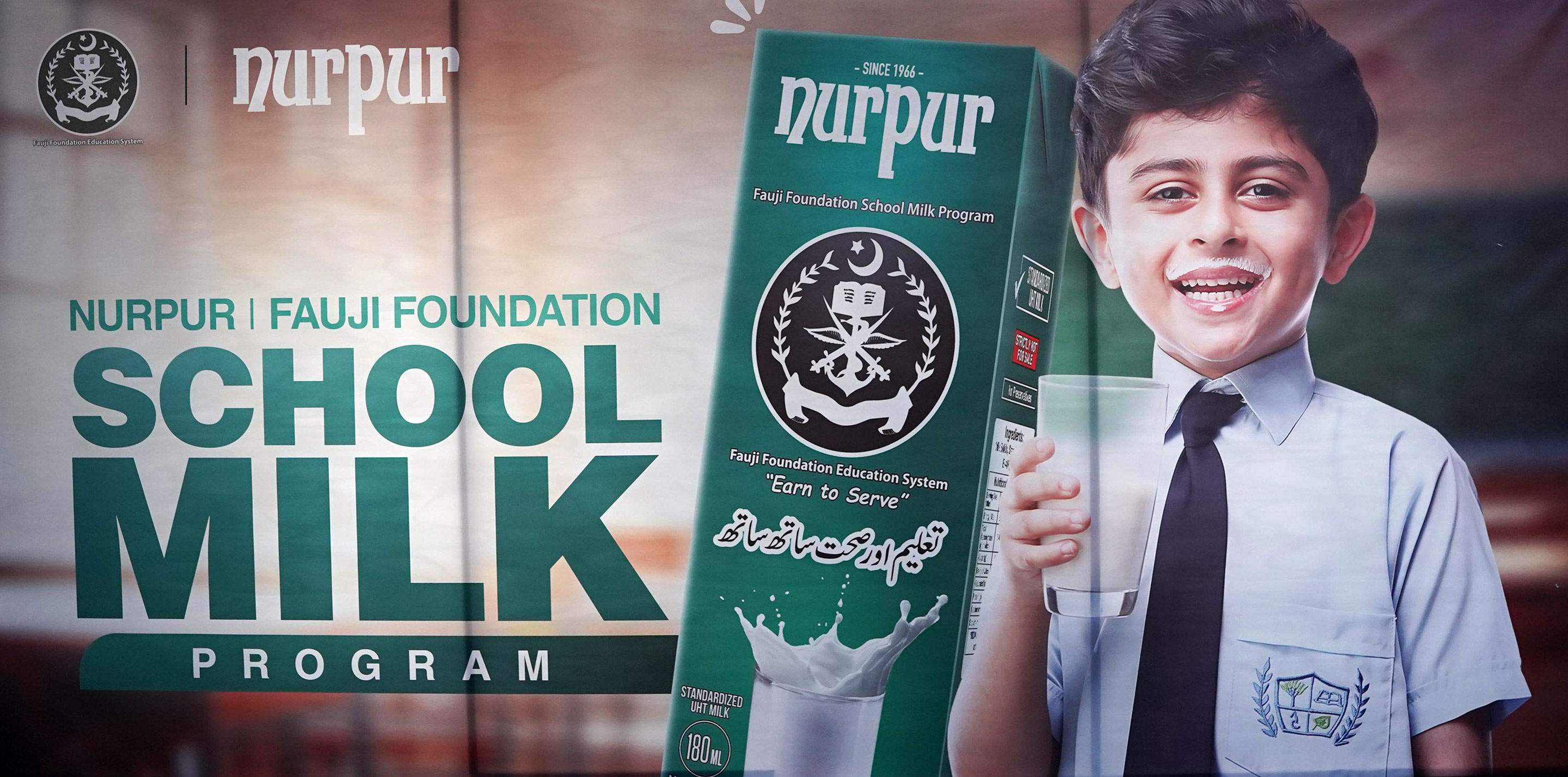
Child malnutrition remains a major public health challenge in Pakistan. The 2018 National Nutrition Survey reported that 40% of children under five were stunted, 20% wasted and 11.4% underweight, with anaemia affecting over half of adolescent girls. Milk can be part of the solution, providing essential nutrients such as calcium and protein.
Nourishing young bodies and minds
Through the programme, 42,000 children at 118 schools across more than 100 towns will receive milk, with Fauji Foods providing around 160,000 litres each month. Ongoing child health assessments will track key child health metrics to measure the progress and impact of the programme. Besides improving nutrition, the Sustainable School Nutrition Programme will strengthen communities by promoting child health, learning and long-term development.
In addition, the programme includes public awareness campaigns on the benefits of UHT milk, the creation of resilient supply chains and transparent data reporting to guide broader policy efforts. Tetra Pak is contributing technical expertise and global best practices to promote success.
Securing long-term impact
“Safe and healthy milk is a wonderful way to provide nourishment to young school children, fostering better health and encouraging school attendance,” said Awasin Bin Nasim, Managing Director, Tetra Pak Pakistan. “It is also crucial that the milk remains safe from bacteria and contamination. This is made possible through both UHT treatment and aseptic packaging technology, which maintains the milk’s nutritional integrity and safety without chemicals or preservatives, even when no refrigeration is available.”